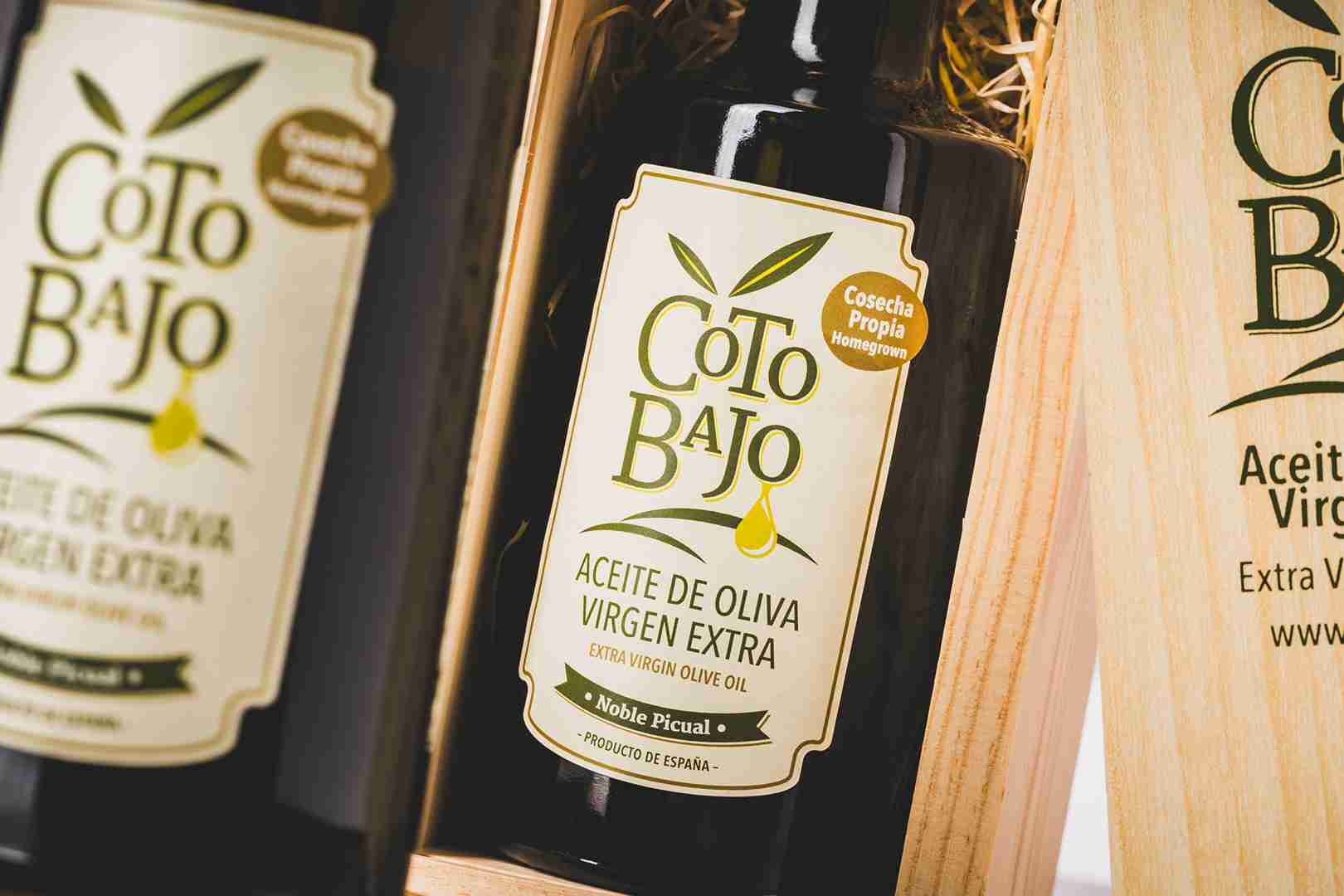
What Exactly Is Single-Estate Olive Oil? Traceability and Soul at Coto Bajo

In contrast to industrial production, Coto Bajo Estate Olive Oil embodies a single-estate model in which the product is grown, processed, and bottled on the same property. By eliminating middlemen and committing to organic farming, we guarantee radical traceability and immediate milling. The result is an EVOO of maximum freshness, where varieties such as Picual and Pajarera express the unique identity of their terroir, prioritizing health, sustainability, and authentic flavor.

INDEX

In today’s market, the term “Extra Virgin Olive Oil” has become ubiquitous. However, the reality behind an EVOO label can vary greatly. Today we want to delve deeper into a concept that defines our purpose and sets us apart from industrial production: Estate Olive Oil.

Understanding what it means for an oil to be grown, crafted and bottled in the same place is essential to appreciating the culinary gem that arrives at your table.

Estate-Grown Olive Oil: Much More Than Just a Location

In the world of wine, single vineyards These châteaux are renowned for their excellence because the grapes are not transported; they are processed right where they are grown. In the olive oil industry, this model is known as “Single Estate” or Estate Olive Oil.

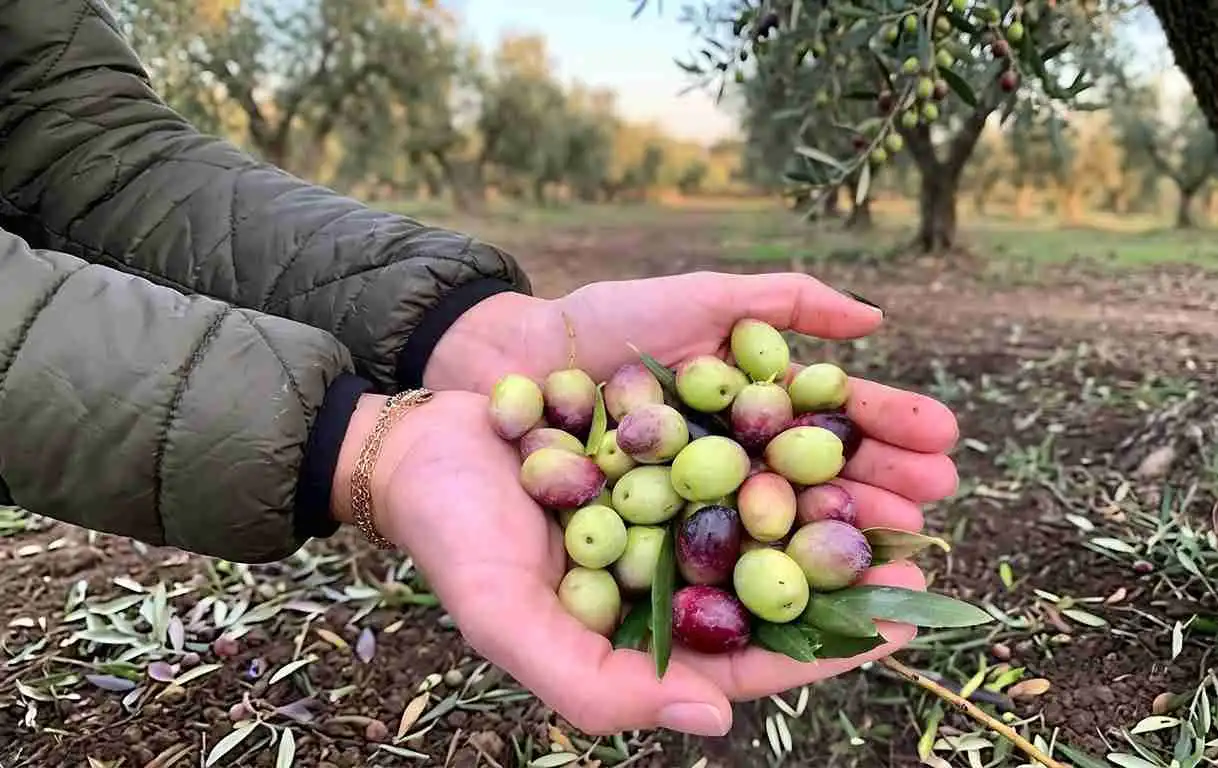
At Coto Bajo, this concept is our top priority. We do not purchase olives from third parties, nor do we blend olives from different sources to cut costs. Every drop of our oil comes exclusively from the olive trees that grow on our property. This gives us complete control over the “terroir,” ensuring that the character of our region’s soil and climate is reflected in the oil’s sensory profile.
aceite de finca coto bajo aceite de oliva virgen extra

True traceability: From the olive tree to the mill, with no middlemen

Most commercial oils undergo lengthy transportation processes, are stored at cooperatives, and are blended with oils of varying qualities. Along the way, their freshness and organoleptic properties are compromised.

Our traceability is radical and transparent:

  • Our own harvest: We decide the exact moment when each plot is ripe.
  • Immediate milling: To avoid any delay, the olives are immediately transported to our own mill to prevent oxidation and unwanted fermentation.
  • Cold extraction: Using exclusively mechanical processes, we preserve the polyphenols and aromas intact.
  • Controlled cellar: The oil rests in stainless steel tanks under a controlled atmosphere until bottling.

When you purchase a bottle of Coto Bajo, you have the guarantee that the product has been cared for by the same hands from tree pruning to final sealing.

The July Challenge: Water Management and Sustainability

July is a month of resilience in the olive grove. While much of Spain is enjoying its summer vacation, we’re working hard on our farm to manage our water resources efficiently.

As organic growers, our priority is balance. We do not seek mass production by forcing the tree; rather, we aim for sustainable production that respects natural cycles. Controlled water stress during this season is key to ensuring that the fruit concentrates its healthy components. Our soil management and cover crop practices help retain moisture and protect biodiversity, which, in turn, keeps our ecosystem healthy.

You’ll definitely be interested in: Current Challenges Facing Olive Groves: A Return to Sustainability and Innovation.

Our Varieties: The Hallmark of Coto Bajo

An estate-grown olive oil allows varieties such as Picual and Pajarera to express nuances that are lost in industrial oils due to standardization.

Estate Picual

Unlike generic Picual oils, ours stands out for an unusual balance between bitterness and herbaceous notes, thanks to the unique soil of our estate.

The Uniqueness of La Pajarera

This variety, which is less common in large supermarkets, is our commitment to diversity. It offers a unique flavor profile that can only be achieved by tending to each olive tree individually.

Arbequina and Hojiblanca

The estate features select plots of Arbequina and Hojiblanca olive trees. These varieties provide the versatility that only an estate with varietal diversity can offer. Their presence in the olive grove allows us to experiment with nuances and balance the sensory profiles of our oils based on the unique characteristics of each harvest.

Why Choose Single-Estate Olive Oil Over Industrial Olive Oil?

The difference lies not only in the taste, but also in the philosophy behind its consumption. When you choose an estate-grown olive oil like Coto Bajo, you are:

  1. Supporting the rural economy: We promote local and direct employment.
  2. Guaranteeing freshness: The oil hasn’t spent months in industrial silos.
  3. Prioritizing Health: Antioxidant levels are significantly higher due to the speed of the process and organic farming practices.
  4. Protecting the Environment: A farm model allows for much more efficient and environmentally friendly waste management.
aceite de finca cosecha propia coto bajo

Conclusion on Single-Estate Olive Oil

The silence that reigns in the olive grove on July afternoons is a prelude to the quality that will come in the fall. At Coto Bajo, every tree tells a story, and every bottle encapsulates a year of tireless work on our estate.

We invite you to appreciate its origin. The next time you open a bottle of our EVOO, close your eyes and remember that you’re tasting a piece of our land—straight from our estate to your table.

You may also be interested in

hojas de olivo
The Olive Grove in September: Active Preparation for the Harvest
In September, the olive grove undergoes a series of changes. The veraison signals the imminent harvest. Learn how we prepare at Coto Bajo to ensure everything is ready for the production of this season’s EVOO.
What Exactly Is Single-Estate Olive Oil? Traceability and Soul at Coto Bajo
In contrast to industrial production, Coto Bajo Estate Olive Oil embodies a single-estate model in which the product is grown, processed, and bottled on the same property. By eliminating middlemen and committing to organic farming, we guarantee radical traceability and immediate milling. The result is an EVOO of maximum freshness, where varieties such as Picual and Pajarera express the unique identity of their terroir, prioritizing health, sustainability, and authentic flavor.
Flowering in Coto Bajo: The awakening of the olive grove in May
Spring reaches its peak in our estate. The olive grove is transformed, leaving behind the sober green of winter to dress in a whitish and subtle mantle. It is the time of flowering, an ephemeral event that marks the destiny of our next harvest.
The Olive Grove in September: Active Preparation for the Harvest
In September, the olive grove undergoes a series of changes. The veraison signals the imminent harvest. Learn how we prepare at Coto Bajo to ensure everything is ready for the production of this season’s EVOO.
What Exactly Is Single-Estate Olive Oil? Traceability and Soul at Coto Bajo
In contrast to industrial production, Coto Bajo Estate Olive Oil embodies a single-estate model in which the product is grown, processed, and bottled on the same property. By eliminating middlemen and committing to organic farming, we guarantee radical traceability and immediate milling. The result is an EVOO of maximum freshness, where varieties such as Picual and Pajarera express the unique identity of their terroir, prioritizing health, sustainability, and authentic flavor.
Flowering in Coto Bajo: The awakening of the olive grove in May
Spring reaches its peak in our estate. The olive grove is transformed, leaving behind the sober green of winter to dress in a whitish and subtle mantle. It is the time of flowering, an ephemeral event that marks the destiny of our next harvest.
Olive tree suckering removal: Key to olive development
At Coto Bajo, olive grove care is essential to produce quality extra virgin olive oil. One of the key processes is destemming, which consists of removing the stalks to optimize the health of the tree and improve its yield. Discover how this work benefits both the olive tree and the crop.